
Bidhannagar Mayor Krishna Chakraborty resigns, another massive blow to TMC
.gif)

Download Mobile App 







On September 4, 2025, the Supreme Court of India raised a red flag over rampant illegal tree felling in the Himalayan region, particularly in Himachal Pradesh, after videos surfaced showing timber logs swept away by floodwaters. The bench, led by Chief Justice BR Gavai and Justice K Vinod Chandran, described the situation as a "serious matter," linking the environmental degradation to unprecedented landslides and floods in Himachal Pradesh, Uttarakhand, and Punjab.
The court’s concern stems from a Public Interest Litigation (PIL) highlighting ecological damage in the fragile Himalayan ecosystem, where illegal logging appears to be exacerbating natural disasters. The bench issued notices to the Union government, the National Disaster Management Authority (NDMA), the National Highways Authority of India (NHAI), and the state governments of Himachal Pradesh, Uttarakhand, and Jammu and Kashmir, demanding urgent action.The videos of timber logs floating in floodwaters have gone viral, sparking widespread outrage and raising suspicions of a timber mafia operating in the hills.
The Supreme Court noted that the presence of such large quantities of cut timber in rivers suggests large-scale illegal felling, which weakens soil stability and increases the risk of landslides. Chief Justice Gavai emphasized the gravity of the issue, stating that media reports showing logs flowing in rivers point to unchecked deforestation. This environmental destruction not only threatens biodiversity but also disrupts the delicate water cycle in the region, making it more vulnerable to flash floods and erosion.The Himalayan region, known for its ecological sensitivity, has faced increasing challenges due to unregulated development and deforestation. The Supreme Court’s observations align with earlier warnings about the region’s vulnerability. For instance, in August 2025, the court cautioned that unchecked development could lead to Himachal Pradesh "vanishing in thin air" due to ecological imbalances.
The removal of forest guard check posts, which once monitored illegal activities, has further fueled the problem, leaving the region exposed to exploitation by illegal loggers and developers bypassing environmental safeguards.The court’s response includes a call for accountability from multiple stakeholders. Notices have been served to the Union Ministries of Environment and Jal Shakti, alongside state governments, to explain their oversight and propose measures to curb illegal felling. The bench also granted liberty to serve central agencies, including the NHAI, which is implicated due to infrastructure projects that often involve tree cutting.
The court has set a two-week deadline for responses, signaling its intent to address the crisis swiftly and decisively.Environmentalists and local communities have welcomed the Supreme Court’s intervention, though many argue that enforcement remains a challenge. The viral videos have galvanized public attention, with social media platforms like X buzzing with discussions about the timber mafia and the need for stricter regulations.
The Supreme Court’s proactive stance reflects its broader commitment to environmental protection, as seen in recent cases like the Delhi Ridge tree-felling controversy and the Taj Trapezium Zone penalties. By addressing the Himalayan crisis, the court aims to set a precedent for preserving ecologically sensitive areas. However, the effectiveness of its directives will depend on coordinated action between the central and state governments, as well as rigorous monitoring to prevent further environmental degradation in the Himalayas.








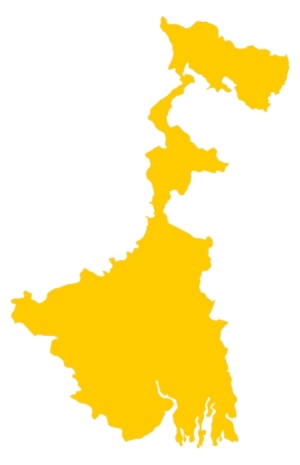 West Bengal
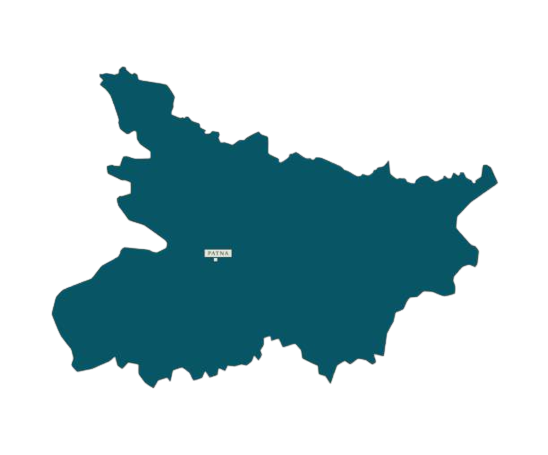 Bihar
Bihar Uttar Pradesh
 Jharkhand